🚪 学习前导 · 先看这里再开始
🎯 学完你能干什么
- 能识别 8 个国际危险符号(corrosive / irritant / toxic / flammable / explosive / dangerous to environment / harmful / caution)
- 能区分 hazard 危险源 和 risk 风险,并写出降低 risk 的措施
- 能用 litmus / phenolphthalein / methyl orange 三种指示剂判断酸/碱/中性
- 能读懂 pH 标尺 0–14,估测常见物质的 pH
- 能写中和反应的词方程式:acid + alkali → salt + water
- 能从酸和碱推出生成的盐名(chloride / sulfate / nitrate)
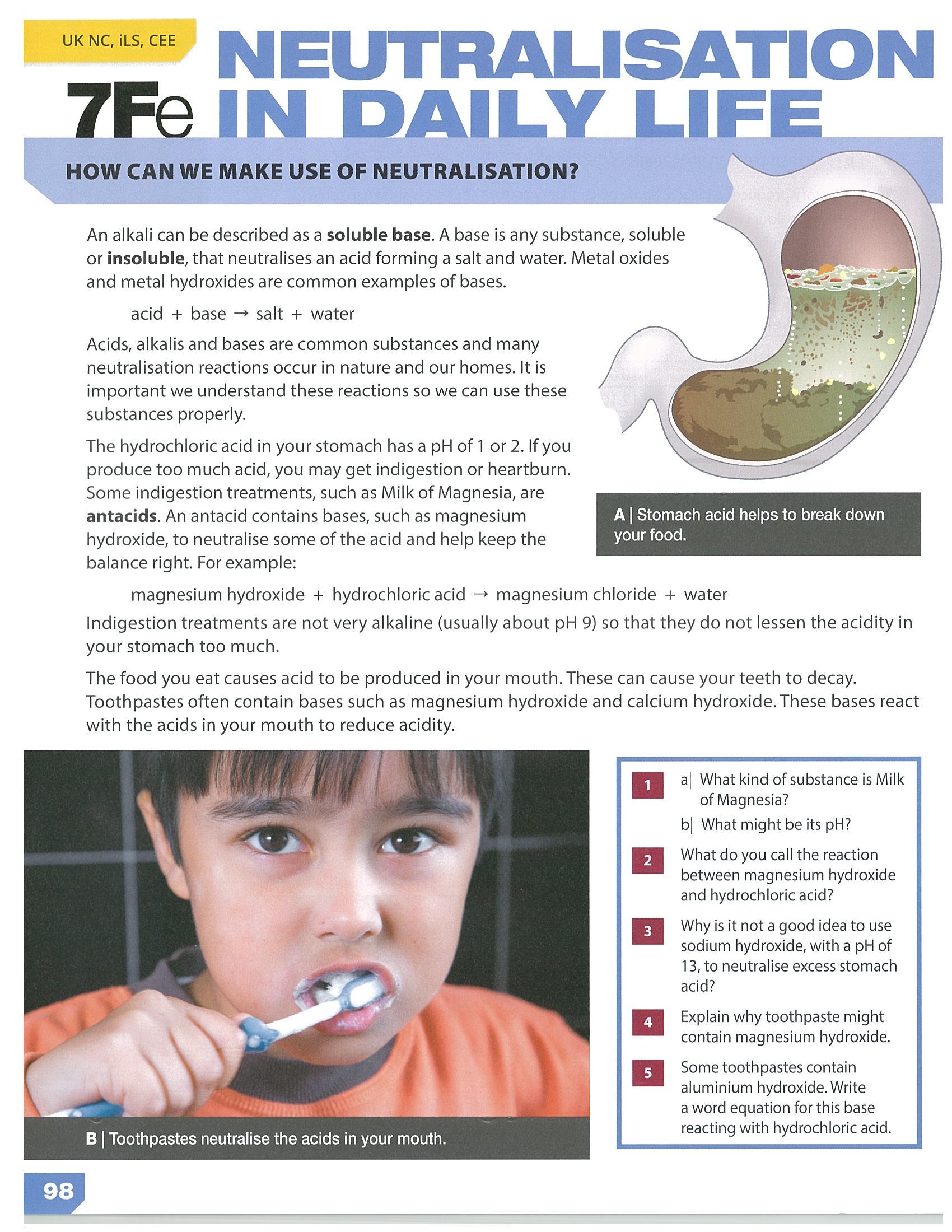
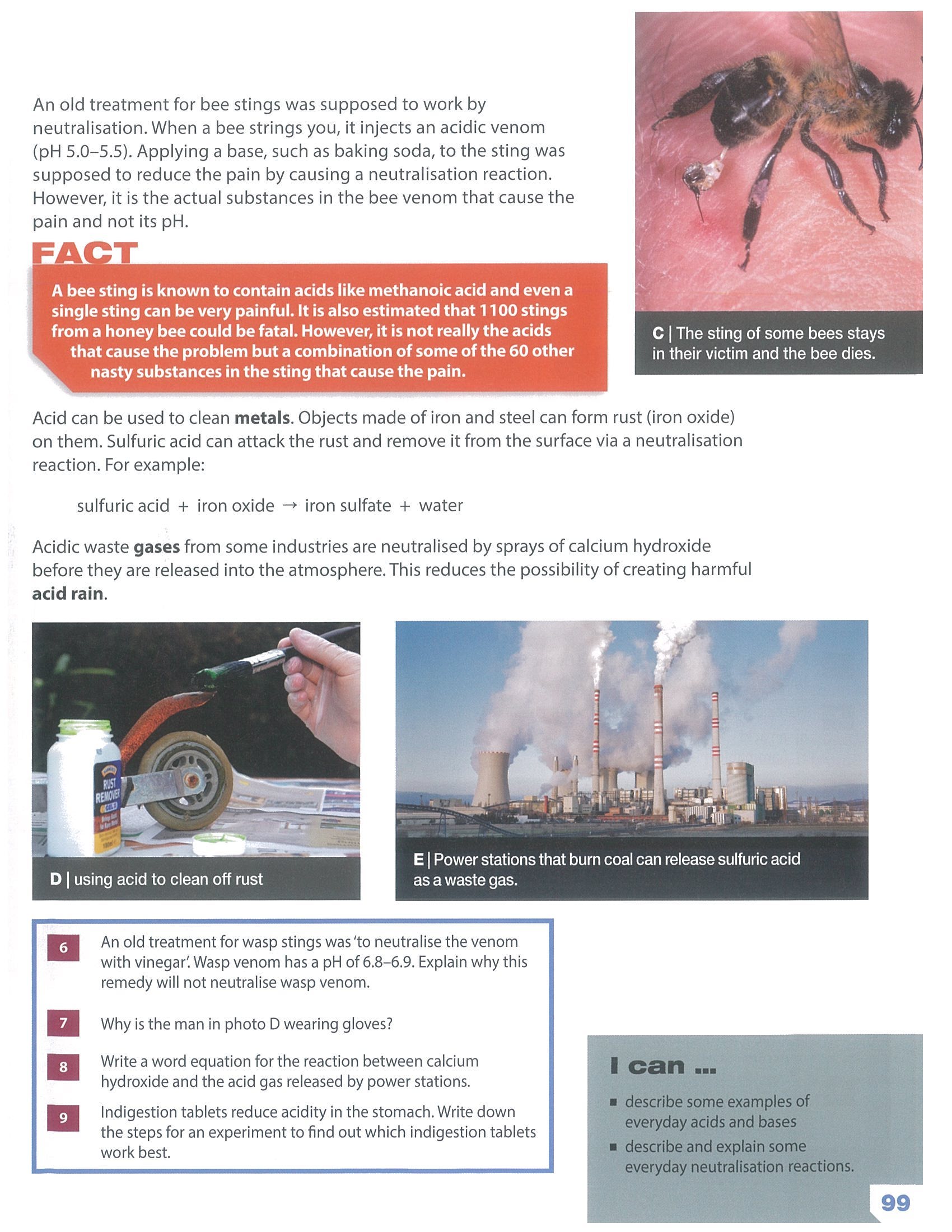
- 能解释家居中和反应案例(胃药 / 牙膏 / 蜂叮 / 除锈)
🛣️ 推荐学习路径
- 通读教材 16 页(不查词,速读 30 分钟)
- 跟读本视图:左边看教材图,右边看笔记(约 2.5 小时)
- 做 Workbook 7F 全部题目(约 1.5 小时)
- 专项训练:拼写卡 + pH 标尺标注 + 答题规范(30 分钟)
- 挑战分级练习 L1→L2→L3(约 1 小时)
- 查漏错题本 + 自检清单(考前 30 分钟)
⚠️ 老师常考
- 必考 hazard vs risk 区分 + 降低 risk 的具体措施
- 必考 8 个国际危险符号的含义
- 必考 中和反应词方程式:acid + alkali → salt + water
- 高频 三种指示剂(litmus / phenolphthalein / methyl orange)在酸/碱中的颜色
- 高频 pH 标尺:物质对应 pH(胃酸 1–2、纯水 7、漂白剂 13)
- 高频 由酸名推盐名:HCl→chloride,H2SO4→sulfate,HNO3→nitrate
- 高频 家居中和反应:antacid 治胃酸、牙膏中和口腔酸
- 拓展 STEM:化学工业(research / quality control 化学家工作)
🧭 前置回顾(来自 7E)
- hazard vs risk(7E Bunsen burner)—— 安全实验的基础
- solute / solvent / solution(7E)—— 酸碱通常溶于水才表现
- dilute(稀释)(7E)—— 浓酸 vs 稀酸的危险等级不同
- evaporation(蒸发)(7E)—— 中和后蒸发能得到盐晶体
- indicator 概念(生物 7D 有出现)—— 7F 中是核心工具
📖 教材跟读 · 左图右注
📄 教材 p.85–89
📝 学习内容
核心理解:危险源 / 风险 / 危险符号 / 实验安全
1. Chemistry in the home 家居化学
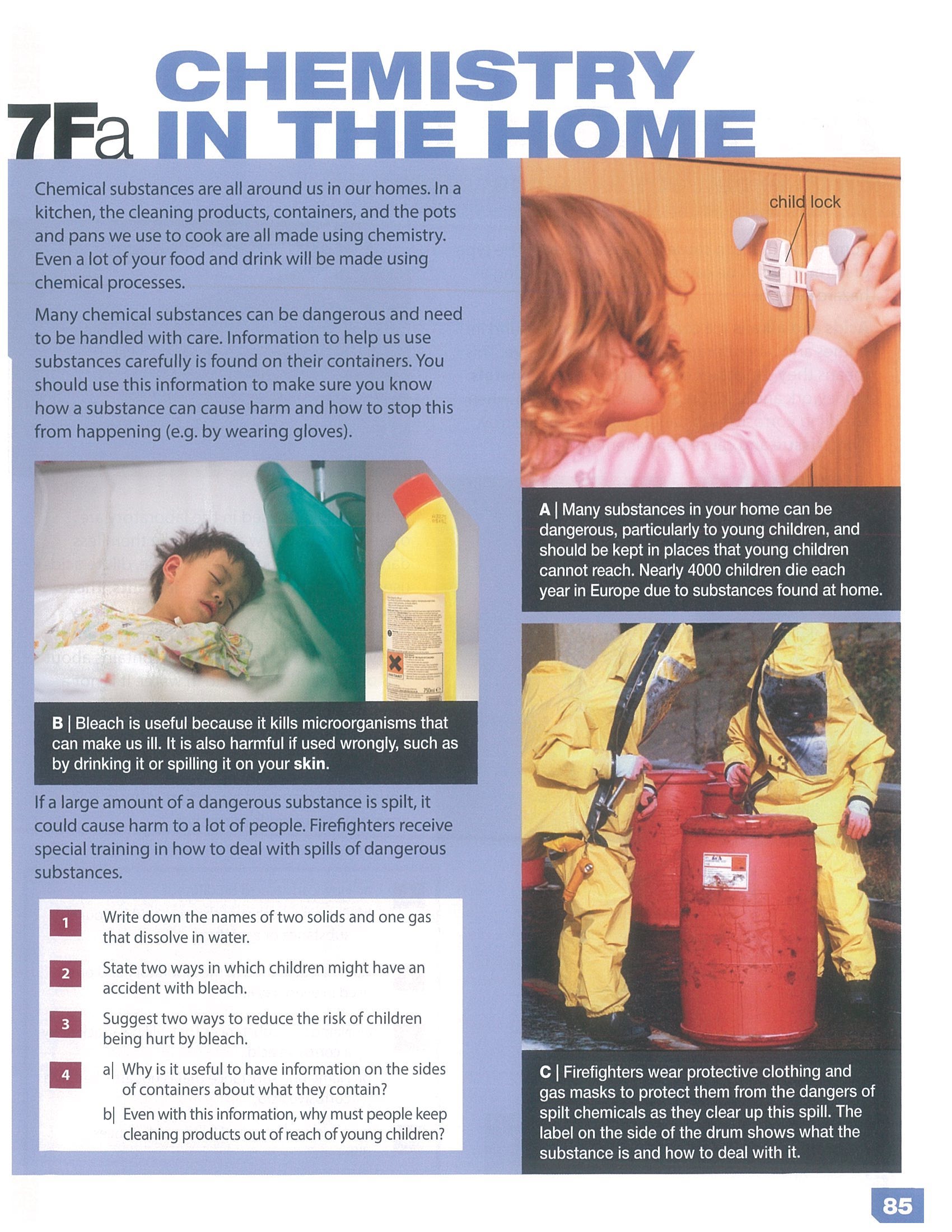
家里到处是化学品——清洁剂、容器、锅、食品、饮料。许多化学品有危险,必须小心使用。容器上的信息告诉我们怎样防止伤害(如戴手套)。
例:漂白剂(bleach)——杀死致病微生物有用,但如果错用(喝下或溅皮肤)则有害。每年欧洲有近 4000 名儿童因家中化学品而死亡。
2. Hazard vs Risk(必考区分!)
| 词 | 意思 | 例子 |
|---|---|---|
| Hazard 危险源 | 任何可能造成伤害的东西(客观存在) | 浓酸、漂白剂、Bunsen 灯、热设备 |
| Risk 风险 | 这个危险源实际造成伤害的可能性 | 溅到眼睛 / 皮肤 / 被烫伤的概率 |
降低 risk 的方法:戴eye protection 护目镜、戴手套、在通风橱 fume cupboard 里做、远离桌沿、稀释化学品。
3. Corrosive vs Irritant(必区分!)
- Corrosive 腐蚀性:攻击金属、石头、皮肤——永久性损伤。例:浓酸、浓碱(NaOH 通厕剂)、汽车电池酸。
- Irritant 刺激性:让皮肤发炎酸痛但不严重永久。例:稀酸、5–10% 氨水。
📌 数据示例:
- 食醋(5–8% ethanoic acid):无危险(只会让伤口刺痛)
- 10% 以上 ethanoic acid → irritant
- 25% 以上 → corrosive
- 5–10% 氨水(家用清洁剂)→ irritant;10% 以上 → corrosive
食醋(含 5–8% ethanoic acid)和浓的工业 ethanoic acid(>25%),危险等级有什么不同?
💡 食醋是稀释(dilute)的——没有危险(只是有伤口时会刺痛)。10% 以上变 irritant(刺激性)。25% 以上就变 corrosive(腐蚀性)——同一种酸,浓度决定危险等级。
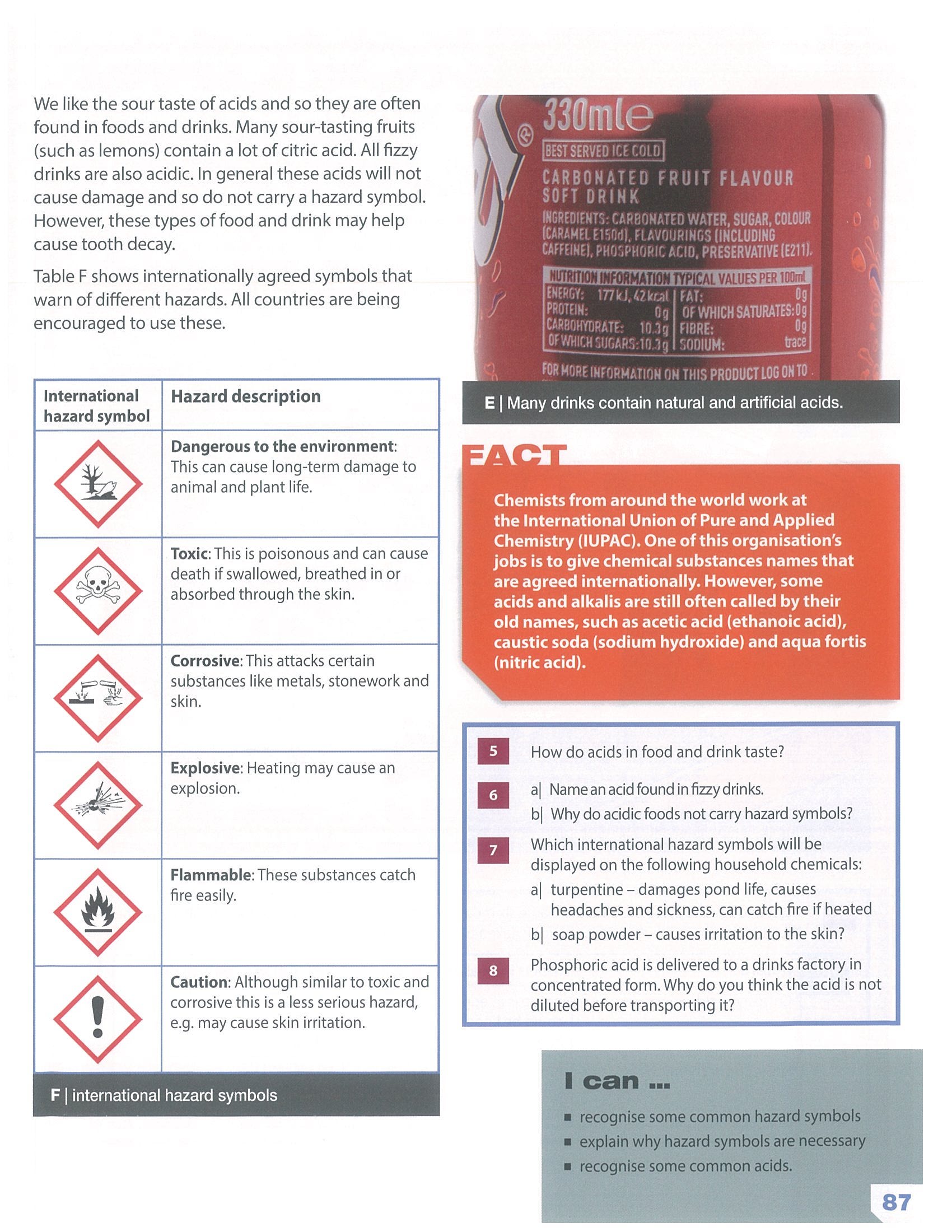
4. 8 个国际危险符号(必记!)
| 符号 | 含义 | 例子 |
|---|---|---|
| Corrosive 腐蚀性 | 攻击金属、石头、皮肤 | 浓硫酸、NaOH 通厕剂 |
| Irritant / Caution ⚠ | 引起皮肤刺激、不严重 | 稀酸、洗衣粉 |
| Toxic 有毒 | 吞入、吸入、皮肤吸收 → 中毒甚至致死 | 汞、农药 |
| Flammable 易燃 | 容易着火 | 松节油、酒精、汽油 |
| Explosive 爆炸性 | 加热会爆炸 | 炸药、某些气体 |
| Dangerous to the environment 危害环境 | 长期伤害动植物 | 松节油(伤池塘动物) |
| Harmful 有害 | 类似 toxic 但程度更轻 |
5. Acids in food and drink 食物饮料里的酸
许多酸性食物饮料无危险(不带 hazard 符号):
- 柠檬等酸味水果含大量 citric acid 柠檬酸
- 所有 fizzy drinks 都是酸性 → 帮助蛀牙 tooth decay
- 磷酸(phosphoric acid)是软饮料的防腐剂
6. IUPAC 化学命名(FACT 框)
IUPAC(国际纯粹与应用化学联合会)给化学品起国际统一名称。但一些旧名仍常用:
- acetic acid = ethanoic acid(醋酸)
- caustic soda = sodium hydroxide(NaOH 苛性钠)
- aqua fortis = nitric acid(硝酸)
7. Controlling risk 控制风险(WS)
实验室控制风险的方法:
- 把腐蚀性瓶子远离桌沿,避免被撞翻
- 闻气味时手扇把蒸汽轻轻引向鼻子(不要直接吸)
- 戴 eye protection 护目镜 + chemical-resistant gloves 防化手套
- 在 fume cupboard 通风橱 里做产生有毒气体的实验
- 穿 lab coat 实验服
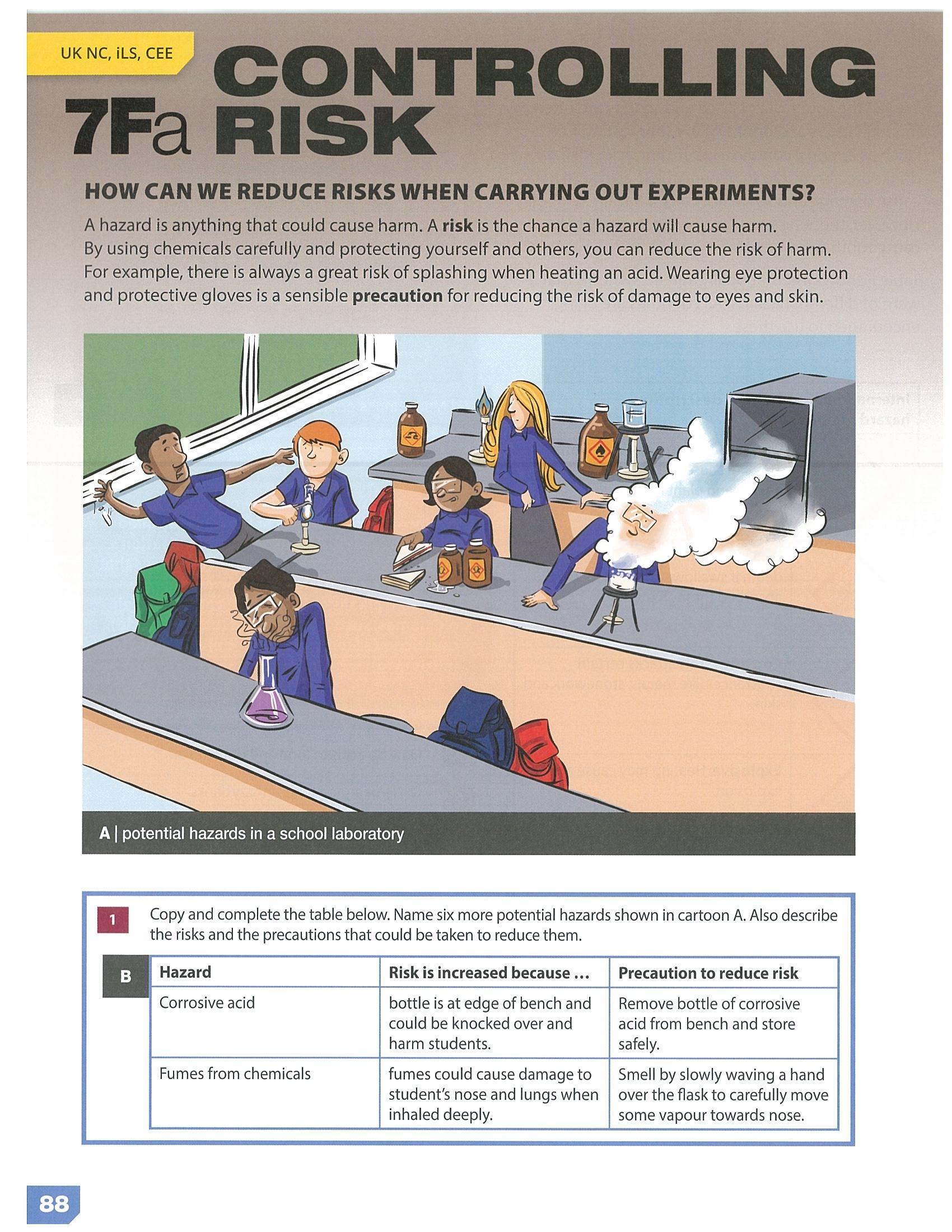
⚠️ 高频陷阱:考题给一张实验室场景图,让你识别 6 个危险源 + 写降低 risk 的措施。每项都要写明风险增加的原因和具体预防措施。
✅ 学完小检查(3 题)
1. 我能区分 hazard 和 risk 并各举一例
2. 我能识别 8 个国际危险符号并说出例子
3. 我能区分 corrosive vs irritant 并举例
💡 句子级中英对照。
📄 教材 p.85 · 7Fa Chemistry in the Home
Chemical substances are all around us in our homes. In a kitchen, the cleaning products, containers, and the pots and pans we use to cook are all made using chemistry.
家里到处都是化学物质——厨房里的清洁剂、容器、做饭用的锅和煎锅都用化学制成。
Even a lot of your food and drink will be made using chemical processes.
连你的许多食物和饮料也用化学过程制成。
Many chemical substances can be dangerous and need to be handled with care. Information to help us use substances carefully is found on their containers.
很多化学物质有危险,必须小心处理。容器上有使用信息帮助我们安全使用。
You should use this information to make sure you know how a substance can cause harm and how to stop this from happening (e.g. by wearing gloves).
应该用这些信息了解:物质怎么会伤人,以及怎么防止(例如戴手套)。
A | dangerous substances at home
图 A | 家中危险物质 — 应放在儿童够不着的地方
Many substances in your home can be dangerous, particularly to young children, and should be kept in places that young children cannot reach. Nearly 4000 children die each year in Europe due to substances found at home.
家中许多物质对小孩特别危险——应放在小孩够不到的地方。欧洲每年有近 4000 名儿童因家中化学品死亡。
B | bleach kills microorganisms
图 B | 漂白剂能杀死致病微生物——但错用(喝下或溅皮肤)就有害
C | firefighters dealing with chemical spills
图 C | 消防员处理化学泄漏 — 穿防护服戴防毒面具;化学桶上的标签说明里面是什么、如何应对
Q1 Write down the names of two solids and one gas that dissolve in water.
第 1 题 写出 2 种能溶于水的固体 + 1 种气体。(如:盐 / 糖;氧气 / 二氧化碳)
Q2 State two ways in which children might have an accident with bleach.
第 2 题 列出小孩接触漂白剂的两种意外。(答:误喝下 / 溅到皮肤或眼睛 / 吸入气味)
Q3 Suggest two ways to reduce the risk of children being hurt by bleach.
第 3 题 推测两个降低小孩被漂白剂伤害风险的方法。(答:放在高处或上锁的柜子;用儿童安全锁瓶盖;不要把漂白剂换到无标签容器;用完立刻收起来)
Q4 a) Why is it useful to have information on the sides of containers about what they contain? b) Even with this information, why must people keep cleaning products out of reach of young children?
第 4 题 a) 为什么容器侧面要有内容信息?(答:让人知道里面是什么、有什么危险、怎么应对) b) 即使有信息,为什么还要放在小孩够不到的地方?(答:小孩不识字 / 不懂危险——可能直接打开喝下;最好的预防是物理隔离)
📄 教材 p.86 · 7Fa Hazards (Corrosive / Irritant)
HOW DO WE DEAL WITH HAZARDOUS SUBSTANCES?
怎样处理危险物质?
Something that can cause harm is a hazard. The type of harm that can be caused is often shown using a hazard symbol.
能造成伤害的东西就是危险源(hazard)。可能造成的伤害类型通常用危险符号(hazard symbol)表示。
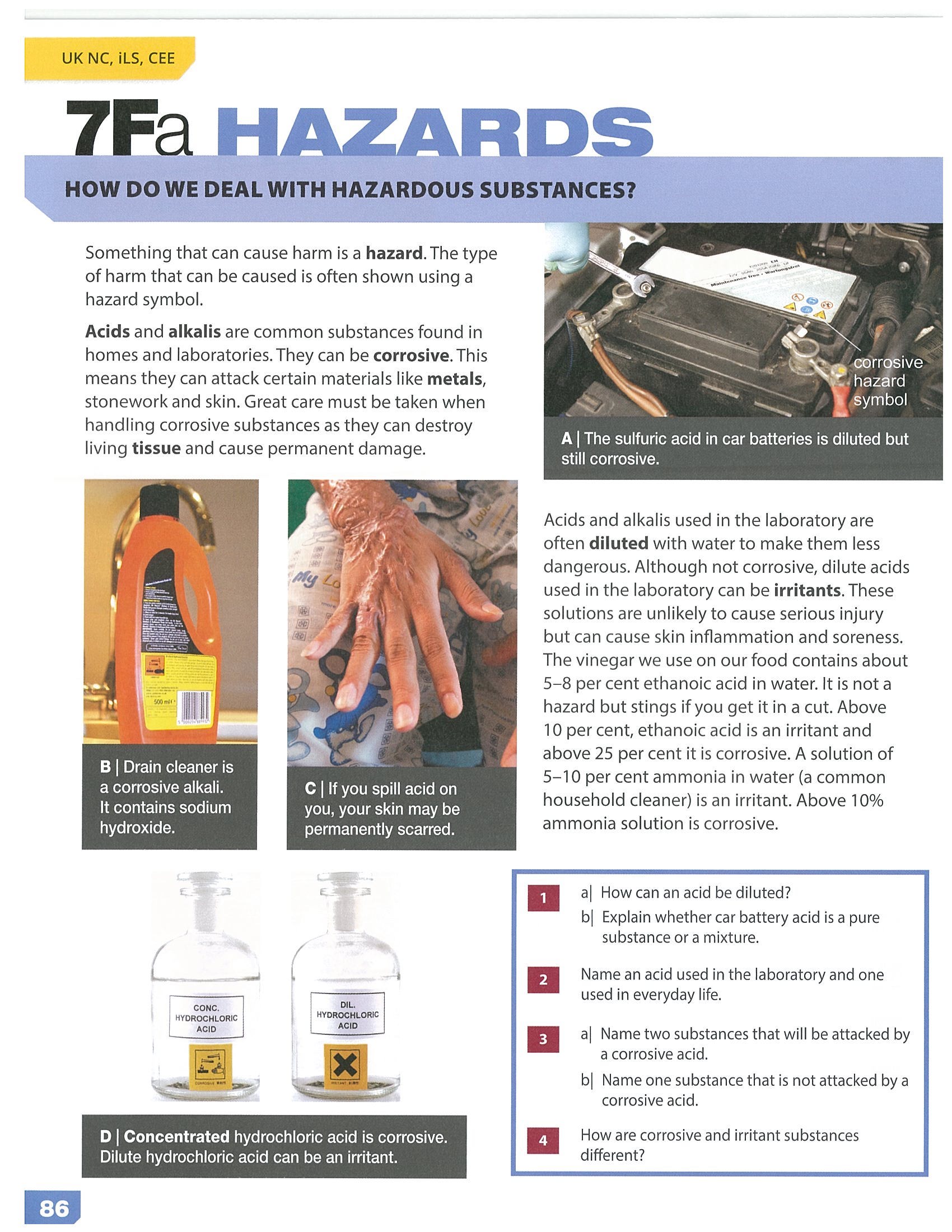
Acids and alkalis are common substances found in homes and laboratories. They can be corrosive. This means they can attack certain materials like metals, stonework and skin.
酸和碱是家中和实验室常见的物质。它们可能有腐蚀性(corrosive)——能攻击某些材料,如金属、石头、皮肤。
Great care must be taken when handling corrosive substances as they can destroy living tissue and cause permanent damage.
处理腐蚀性物质必须非常小心——它们能破坏活组织、造成永久性损伤。
A | car battery acid is corrosive / B | drain cleaner is corrosive alkali / C | acid scars on skin
图 A | 汽车电池的硫酸虽稀释仍有腐蚀性 / 图 B | 通厕剂是腐蚀性碱(含 NaOH) / 图 C | 酸溅到皮肤可能留永久疤痕
Acids and alkalis used in the laboratory are often diluted with water to make them less dangerous. Although not corrosive, dilute acids used in the laboratory can be irritants.
实验室用的酸碱常用水稀释(diluted)使其危险减小。虽然不腐蚀,但稀酸可能是刺激性(irritants)。
These solutions are unlikely to cause serious injury but can cause skin inflammation and soreness.
这些溶液不会造成严重伤害,但可能导致皮肤发炎和酸痛。
The vinegar we use on our food contains about 5–8% ethanoic acid in water. It is not a hazard but stings if you get it in a cut.
我们用的食醋是 5–8% ethanoic acid(乙酸)水溶液——不是危险源,但遇到伤口会刺痛。
Above 10%, ethanoic acid is an irritant and above 25% it is corrosive. A solution of 5–10% ammonia in water (a common household cleaner) is an irritant. Above 10% ammonia solution is corrosive.
10% 以上的乙酸是刺激性,25% 以上是腐蚀性。5–10% 氨水(家用清洁剂)是刺激性;10% 以上是腐蚀性——浓度决定危险等级。
D | concentrated vs dilute hydrochloric acid
图 D | 浓盐酸(CONC.)是腐蚀性 / 稀盐酸(DIL.)是刺激性
Q1 a) How can an acid be diluted? b) Explain whether car battery acid is a pure substance or a mixture.
第 1 题 a) 怎么稀释酸?(答:加水) b) 汽车电池酸是纯净物还是混合物?解释。(答:混合物——硫酸溶解在水中)
Q2 Name an acid used in the laboratory and one used in everyday life.
第 2 题 说出一种实验室和一种日常生活中的酸。(实验室:盐酸 / 硫酸 / 硝酸;日常:食醋(乙酸)/ 柠檬汁(柠檬酸))
Q3 a) Name two substances that will be attacked by a corrosive acid. b) Name one substance that is not attacked by a corrosive acid.
第 3 题 a) 腐蚀性酸会攻击的两种物质?(答:金属、石头、皮肤选两个) b) 一种不被攻击的物质?(答:玻璃、塑料——这就是为什么酸装在玻璃或塑料瓶里)
Q4 How are corrosive and irritant substances different?
第 4 题 corrosive 和 irritant 有什么区别?(答:corrosive 能永久破坏组织、攻击金属石头;irritant 只让皮肤发炎酸痛,不严重永久)
📄 教材 p.87 · 7Fa Acids in Food + International Symbols
We like the sour taste of acids and so they are often found in foods and drinks. Many sour-tasting fruits (such as lemons) contain a lot of citric acid.
我们喜欢酸味——所以食物饮料常含酸。许多酸味水果(如柠檬)含大量柠檬酸(citric acid)。
All fizzy drinks are also acidic. In general these acids will not cause damage and so do not carry a hazard symbol. However, these types of food and drink may help cause tooth decay.
所有汽水也是酸性。一般这些酸不造成伤害,所以不带危险符号。但这类食物饮料容易导致蛀牙(tooth decay)。
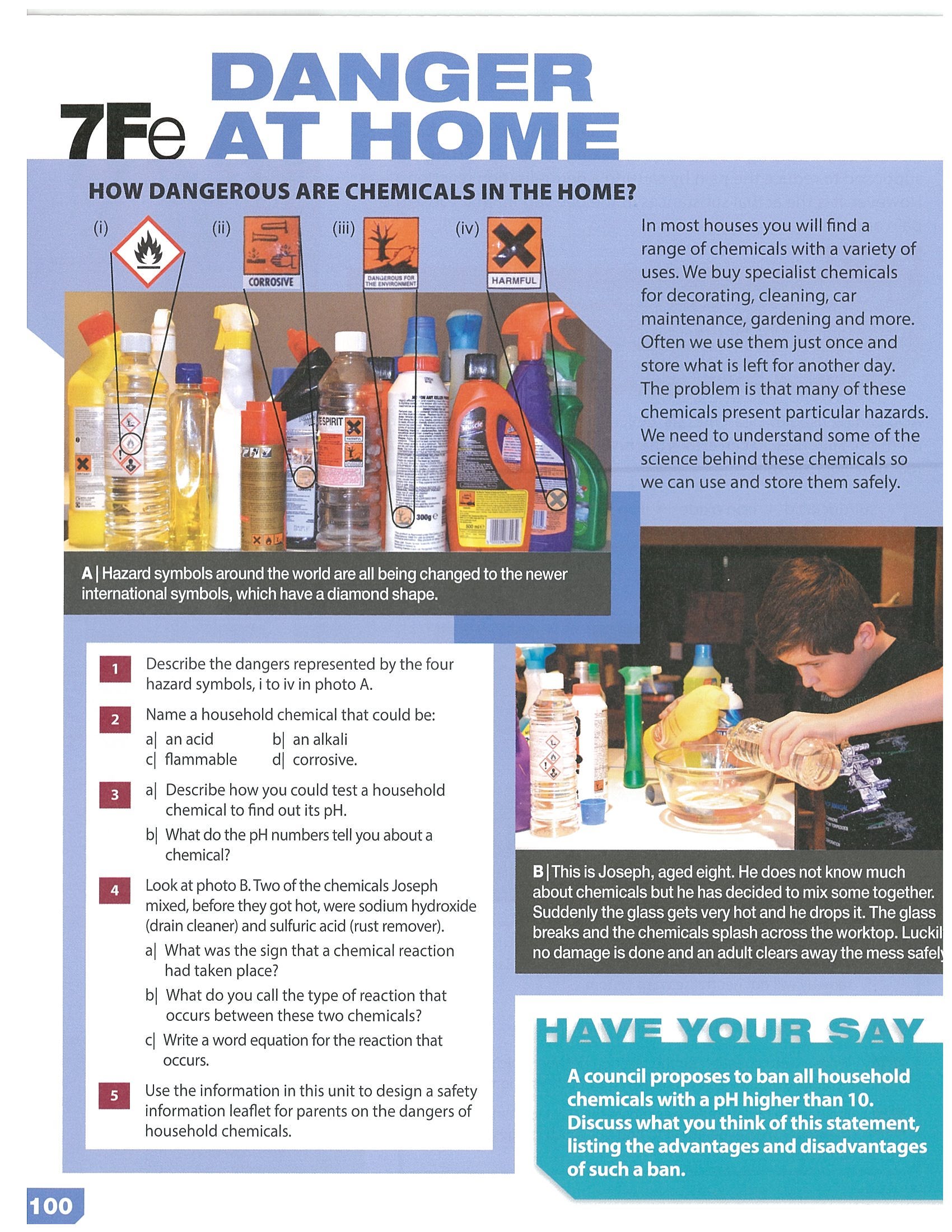
Table F shows internationally agreed symbols that warn of different hazards. All countries are being encouraged to use these.
表 F 列出了国际公认的危险警示符号。各国都在推广使用。
F | international hazard symbols
图/表 F | 国际危险符号
Dangerous to the environment: long-term damage to animal and plant life. Toxic: poisonous — death if swallowed, breathed in or absorbed through skin. Corrosive: attacks metals, stonework and skin.
危害环境:长期伤害动植物。有毒(toxic):吞入、吸入、皮肤吸收 → 致死。腐蚀(corrosive):攻击金属、石头、皮肤。
Explosive: heating may cause explosion. Flammable: catches fire easily. Caution ⚠: less serious hazard like toxic/corrosive — may cause skin irritation.
爆炸性(explosive):加热可能爆炸。易燃(flammable):容易着火。注意 ⚠(caution):类似毒/腐蚀但程度较轻——可能引起皮肤刺激。
FACT — IUPAC + old names
FACT 框 — IUPAC 和化学品旧名
Chemists from around the world work at the International Union of Pure and Applied Chemistry (IUPAC). One of this organisation's jobs is to give chemical substances names that are agreed internationally.
全球化学家在 IUPAC(国际纯粹与应用化学联合会) 共同工作——其中一项任务是给化学品起国际统一名称。
However, some acids and alkalis are still often called by their old names, such as acetic acid (ethanoic acid), caustic soda (sodium hydroxide), and aqua fortis (nitric acid).
但一些酸碱还在用旧名:acetic acid = 乙酸(ethanoic acid);caustic soda = 氢氧化钠(NaOH);aqua fortis = 硝酸(nitric acid)。
Q5 How do acids in food and drink taste?
第 5 题 食物饮料中的酸是什么味道?(答:酸味(sour))
Q6 a) Name an acid found in fizzy drinks. b) Why do acidic foods not carry hazard symbols?
第 6 题 a) 汽水里的一种酸?(答:磷酸 phosphoric acid 或柠檬酸 citric acid) b) 为什么酸性食物不带危险符号?(答:浓度低——不造成伤害,安全可食用)
Q7 Which international hazard symbols will be displayed on: a) turpentine — damages pond life, causes headaches and sickness, can catch fire if heated b) soap powder — causes irritation to the skin?
第 7 题 哪些危险符号?a) 松节油:危害池塘生物 + 头痛恶心 + 加热易燃 → 危害环境 + 有害 + 易燃。 b) 洗衣粉:引起皮肤刺激 → 刺激性 / 注意 ⚠。
Q8 Phosphoric acid is delivered to a drinks factory in concentrated form. Why do you think the acid is not diluted before transporting it?
第 8 题 磷酸以浓缩形式送到饮料厂。为什么运输前不稀释?(答:浓缩状态体积小、重量轻,运输便宜;到厂后再稀释也行——节省运输成本)
📄 教材 p.88 · 7Fa Controlling Risk (WS)
HOW CAN WE REDUCE RISKS WHEN CARRYING OUT EXPERIMENTS?
做实验时怎么降低风险?
A hazard is anything that could cause harm. A risk is the chance a hazard will cause harm.
危险源(hazard)是任何可能造成伤害的东西。风险(risk)是危险源造成伤害的可能性。
By using chemicals carefully and protecting yourself and others, you can reduce the risk of harm.
小心使用化学品并保护自己和他人,可以降低伤害风险。
For example, there is always a great risk of splashing when heating an acid. Wearing eye protection and protective gloves is a sensible precaution for reducing the risk of damage to eyes and skin.
例如加热酸时溅出风险大——戴护目镜和防护手套能降低眼睛和皮肤被伤的风险。
A | potential hazards in a school lab
图 A | 学校实验室的潜在危险源
Example hazards + precautions: Corrosive acid bottle at edge of bench → could be knocked over → remove from bench, store safely. Fumes from chemicals → damage to nose and lungs when inhaled deeply → waft hand over flask to gently move vapour towards nose.
示例危险 + 预防:腐蚀性酸瓶放在桌沿 → 可能被撞翻 → 移开桌沿、安全存放。化学品气味 → 深吸可能伤鼻和肺 → 用手扇把蒸汽轻轻引向鼻子(不要直接吸)。
Q1 Copy and complete the table. Name six more potential hazards shown in cartoon A. Describe risks and precautions to reduce them.
第 1 题 完成表格——再列 6 个图 A 里的潜在危险源 + 风险原因 + 预防措施。(例:本生灯无人看管 → 烫伤 → 不用时关;长发未扎 → 着火 → 扎好;液体溢出 → 滑倒 → 立刻清理;试管口朝人 → 溅伤别人 → 远离同学;高处放重物 → 砸到人 → 放低;玻璃裂 → 划伤 → 报告换新)
📄 教材 p.89 · 7Fa Planning for Hazards (WS)
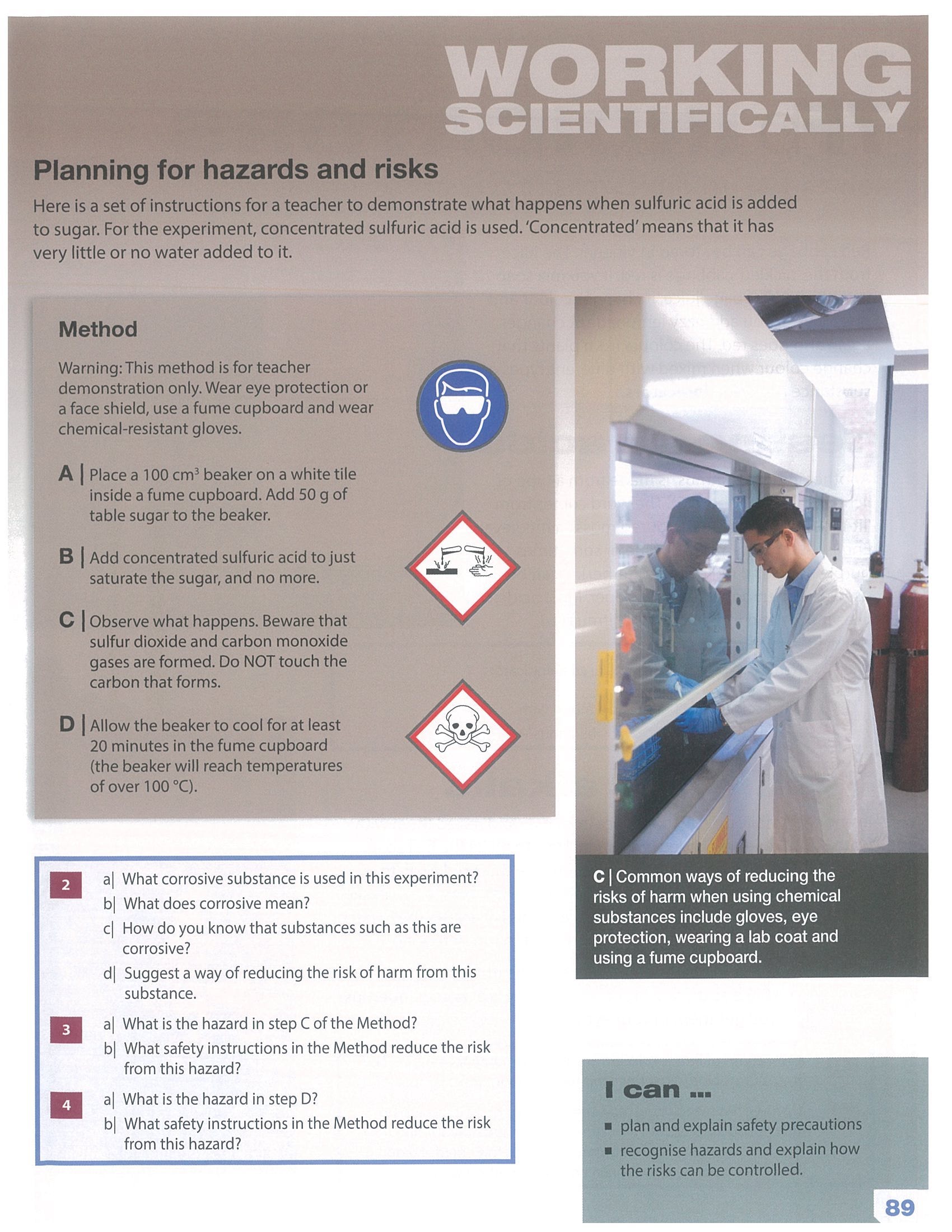
Planning for hazards and risks — Method (teacher demo: sulfuric acid + sugar)
规划危险和风险 — 方法(教师演示:浓硫酸 + 糖)
Warning: This method is for teacher demonstration only. Wear eye protection or a face shield, use a fume cupboard and wear chemical-resistant gloves.
警告:仅限老师演示。戴护目镜或面罩,在通风橱(fume cupboard)里做,戴防化手套。
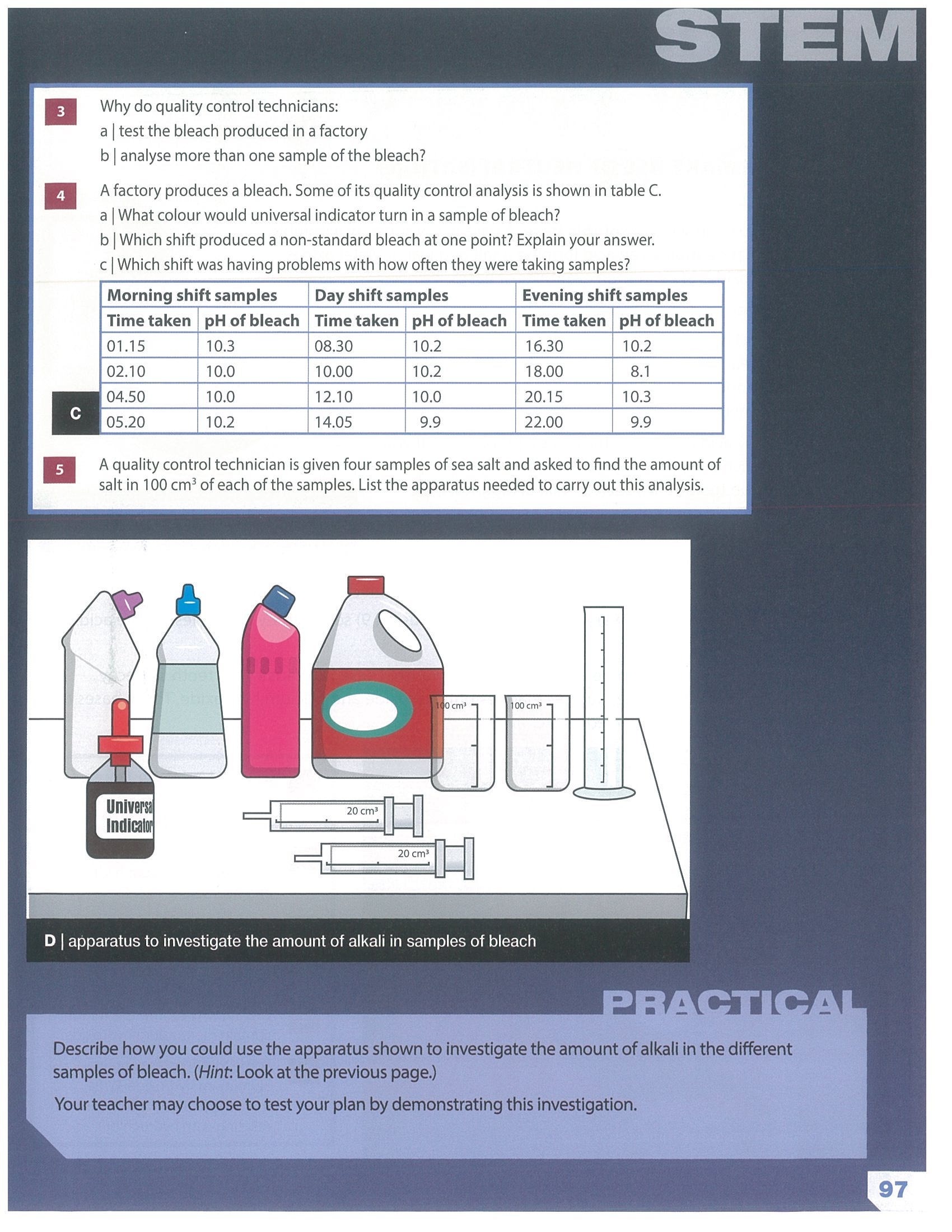
A | Place a 100 cm³ beaker on a white tile inside a fume cupboard. Add 50 g of table sugar to the beaker. B | Add concentrated sulfuric acid to just saturate the sugar, and no more.
A | 把 100 cm³ 烧杯放在通风橱内的白瓷片上,加 50 g 食糖。 B | 加浓硫酸,刚好饱和糖即可,不要多加。
C | Observe what happens. Beware that sulfur dioxide and carbon monoxide gases are formed. Do NOT touch the carbon that forms. D | Allow the beaker to cool for at least 20 minutes in the fume cupboard (the beaker will reach temperatures of over 100°C).
C | 观察反应。注意会产生二氧化硫和一氧化碳气体。不要碰生成的碳。 D | 让烧杯在通风橱里冷却至少 20 分钟(温度会超过 100°C)。
C | common safety equipment
图 C | 常用安全装备 — gloves 手套 / eye protection 护目镜 / lab coat 实验服 / fume cupboard 通风橱
Q2 a) What corrosive substance is used in this experiment? b) What does corrosive mean? c) How do you know that substances such as this are corrosive? d) Suggest a way of reducing the risk of harm from this substance.
第 2 题 a) 实验里的腐蚀性物质?(答:浓硫酸) b) corrosive 是什么意思?(答:攻击金属、石头、皮肤——永久损伤) c) 怎么知道这是腐蚀性?(答:容器上的危险符号 corrosive) d) 降低风险?(答:戴护目镜 + 手套,通风橱里做,只有老师演示)
Q3 a) What is the hazard in step C of the Method? b) What safety instructions in the Method reduce the risk?
第 3 题 a) 步骤 C 的危险源?(答:有毒气体(二氧化硫、一氧化碳)+ 形成的碳) b) 哪些指令降低风险?(答:在通风橱里做(气体被排出)+ 不碰碳(避免烫伤)+ 戴护目镜)
Q4 a) What is the hazard in step D? b) What safety instructions reduce the risk?
第 4 题 a) 步骤 D 的危险源?(答:烧杯很烫(>100°C)——烫伤风险) b) 哪些指令降低风险?(答:冷却至少 20 分钟;留在通风橱里不接触;用钳子移动)
I can…
我能……
recognise some common hazard symbols / explain why hazard symbols are necessary / plan and explain safety precautions / recognise hazards and explain how the risks can be controlled
识别常见危险符号 / 解释为什么需要危险符号 / 规划并解释安全预防 / 识别危险源并解释怎么控制风险
💡 7Fa 核心英文术语 · 含音标 / 词性 / 词源 / 教材原句 / 延伸 / 易错。
⚗️ 酸碱概述
acid
/ˈæsɪd/
n./adj.
酸;酸的
词源拉丁 acidus(酸味的)← acere(变酸)。与 vinegar 醋 同源根
教材"a household chemical that could be an acid"(一种可能是酸的家用化学品)
延伸① acidic adj. 酸性的 ② acidify v. 使酸化 ③ acidity n. 酸度 ④ acid rain 酸雨
同根acidic / acidify / acidity 反义alkaline 碱性的
alkali
/ˈælkəlaɪ/
n.
碱(可溶于水的碱)
词源阿拉伯 al-qali("植物灰")——古阿拉伯人把碱草烧成灰得到的碱。不是拉丁/希腊,是 al- 开头的阿拉伯外来词(同样的还有 algebra, alcohol, algorithm)
教材"a household chemical that could be an alkali"(一种可能是碱的家用化学品)
延伸① alkaline adj. 碱性的 ② alkali metal 碱金属(Na, K 等) ③ alkali ≠ base:alkali 是可溶的 base
alkali ≠ base:所有 alkali 都是 base,但只有能溶于水的 base 才叫 alkali。考试常考定义!
corrosive
/kəˈroʊsɪv/
adj.
腐蚀性的(会烧坏皮肤/金属)
词源拉丁 cor-(彻底)+ rodere(咬、啃)= "完全咬掉"。与 rodent 啮齿动物 同根
教材"a household chemical that could be corrosive"(一种可能有腐蚀性的家用化学品)
延伸① corrode v. 腐蚀(金属生锈也是 corrode) ② corrosion n. 腐蚀
常见HCl、NaOH 都标 corrosive 危险符号(试管+手皮肤被烧的图)
⚠️ 危险标识
hazard
/ˈhæzərd/
n.
危险源(物品本身有危险)
词源阿拉伯 az-zahr(骰子)→ 古法语 hasard(骰子游戏)→ 英语"危险"(赌博本身就是冒险)
教材"recognise some common hazard symbols"(识别常见危险符号)
延伸① fire hazard 火灾隐患 ② health hazard 健康危险 ③ hazardous adj. 危险的
hazard ≠ risk:hazard 是"东西本身有危险"(漂白剂是 hazard),risk 是"实际造成伤害的可能性"(小孩误喝漂白剂的 risk)。考试必考!
flammable
/ˈflæməbl/
adj.
易燃的
词源拉丁 flamma(火焰)+ -able(能…的)= "能着火的"。与 flame 火焰 同根
教材"a household chemical that could be flammable"(一种可能易燃的家用化学品)
延伸① inflammable = flammable(小心!这俩是同义词,不是反义) ② non-flammable 不易燃 ③ flame 火焰
flammable vs inflammable:很多人以为 in- 是"不",但这里 in- 是"进入"的意思,两个词意思一样!危险符号上写哪个都表示易燃。
precaution
/prɪˈkɔːʃn/
n.
预防措施
词源拉丁 prae-(提前)+ cautio(小心)= "提前小心"
教材"plan and explain safety precautions"(规划并解释安全预防措施)
延伸① take precautions 采取预防措施 ② as a precaution 作为预防 ③ precautionary adj.
例戴手套 wear gloves / 戴护目镜 wear goggles / 在通风处 in ventilated area —— 都是 safety precautions
🎯 隐性技能专项 · 考试不教但必丢分的能力
💡 点卡片翻面看答案。本章 25 个高频术语(化学分离术语多易混 / 易拼错),考试拼写错就直接丢分。
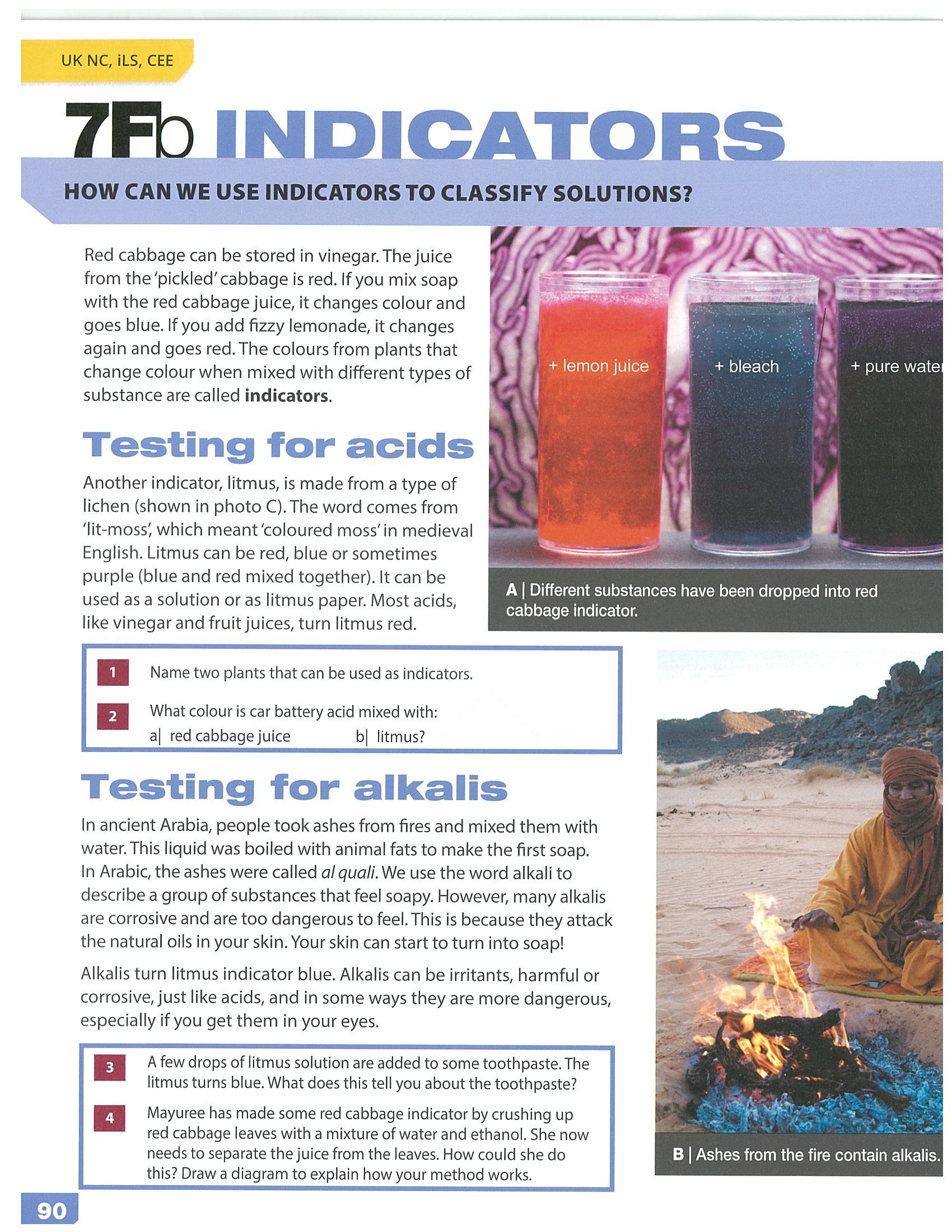
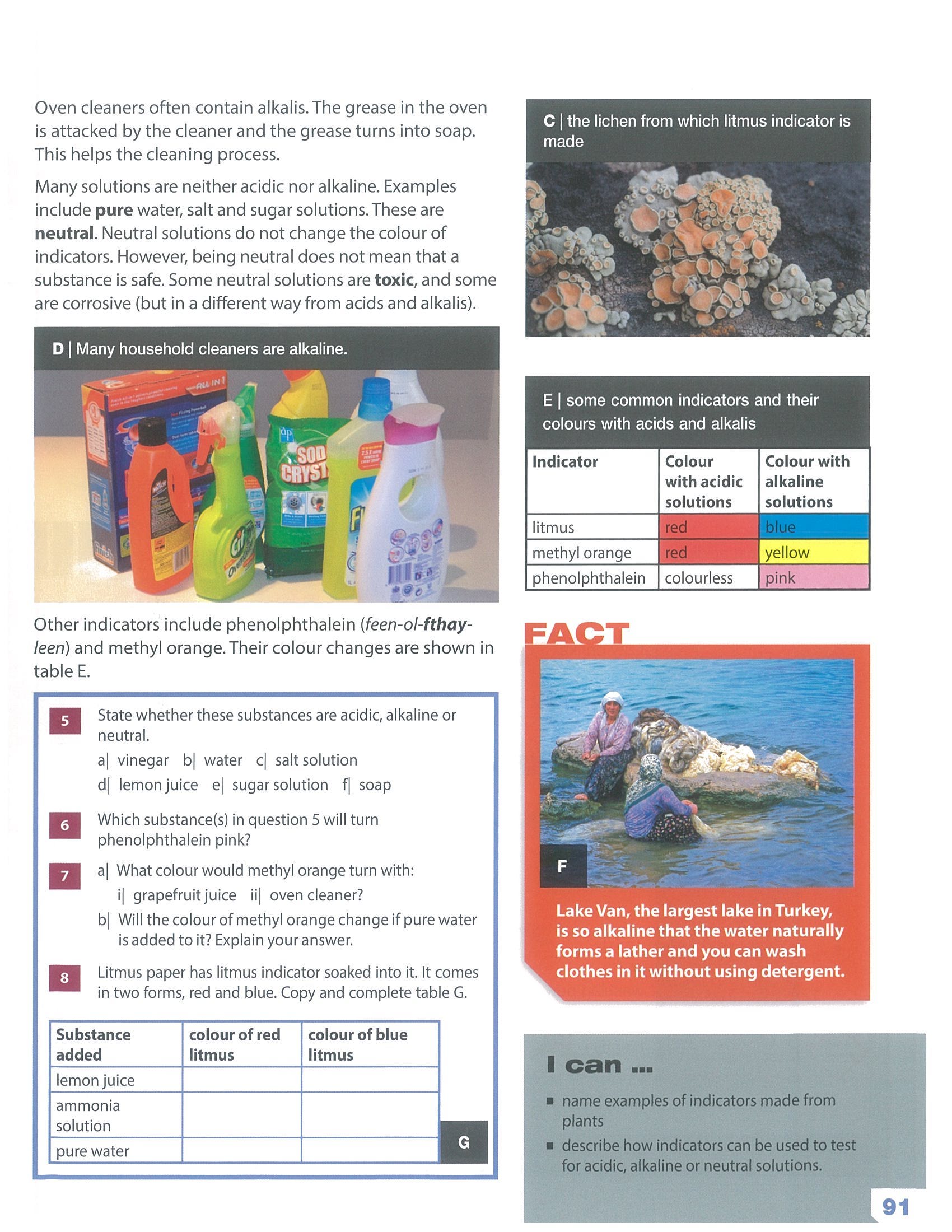
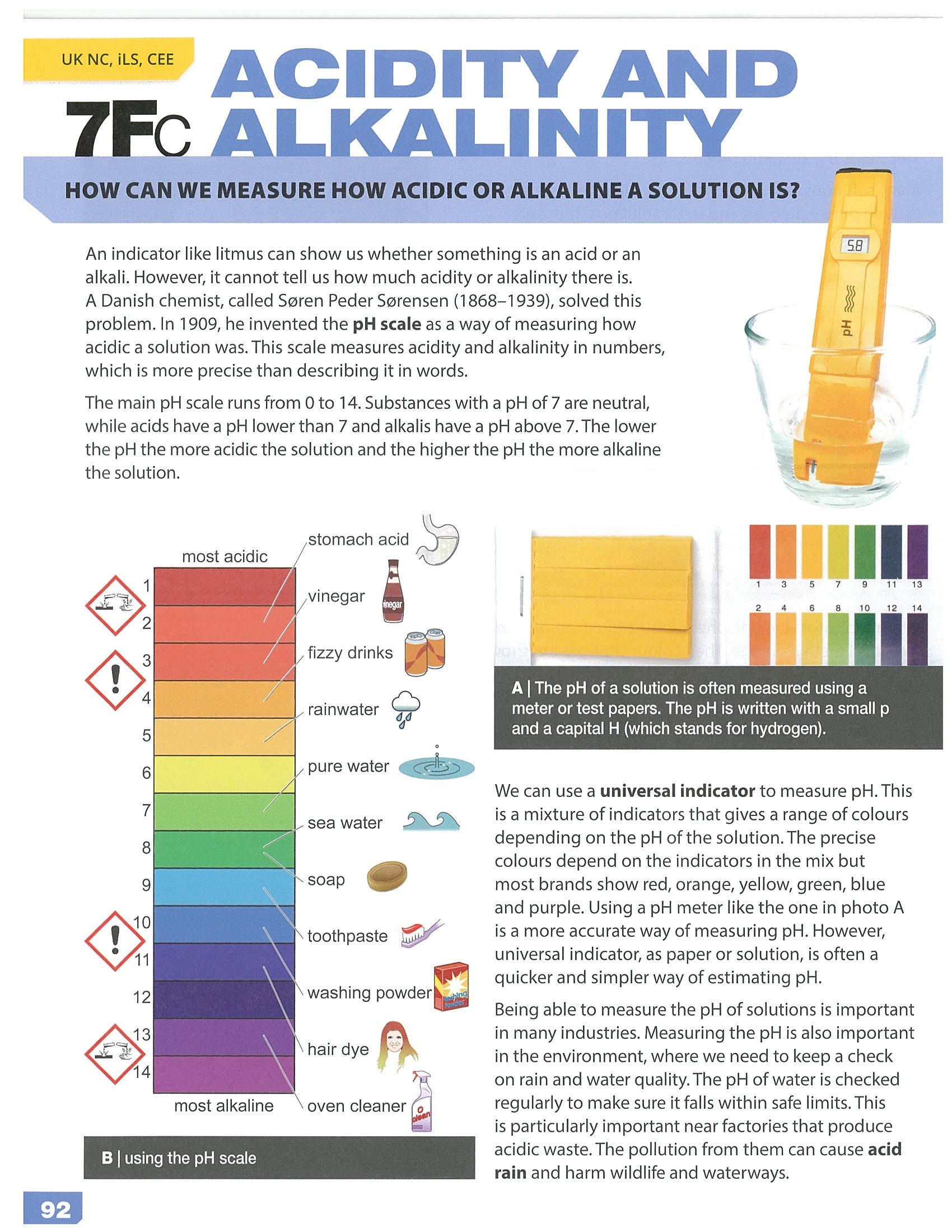
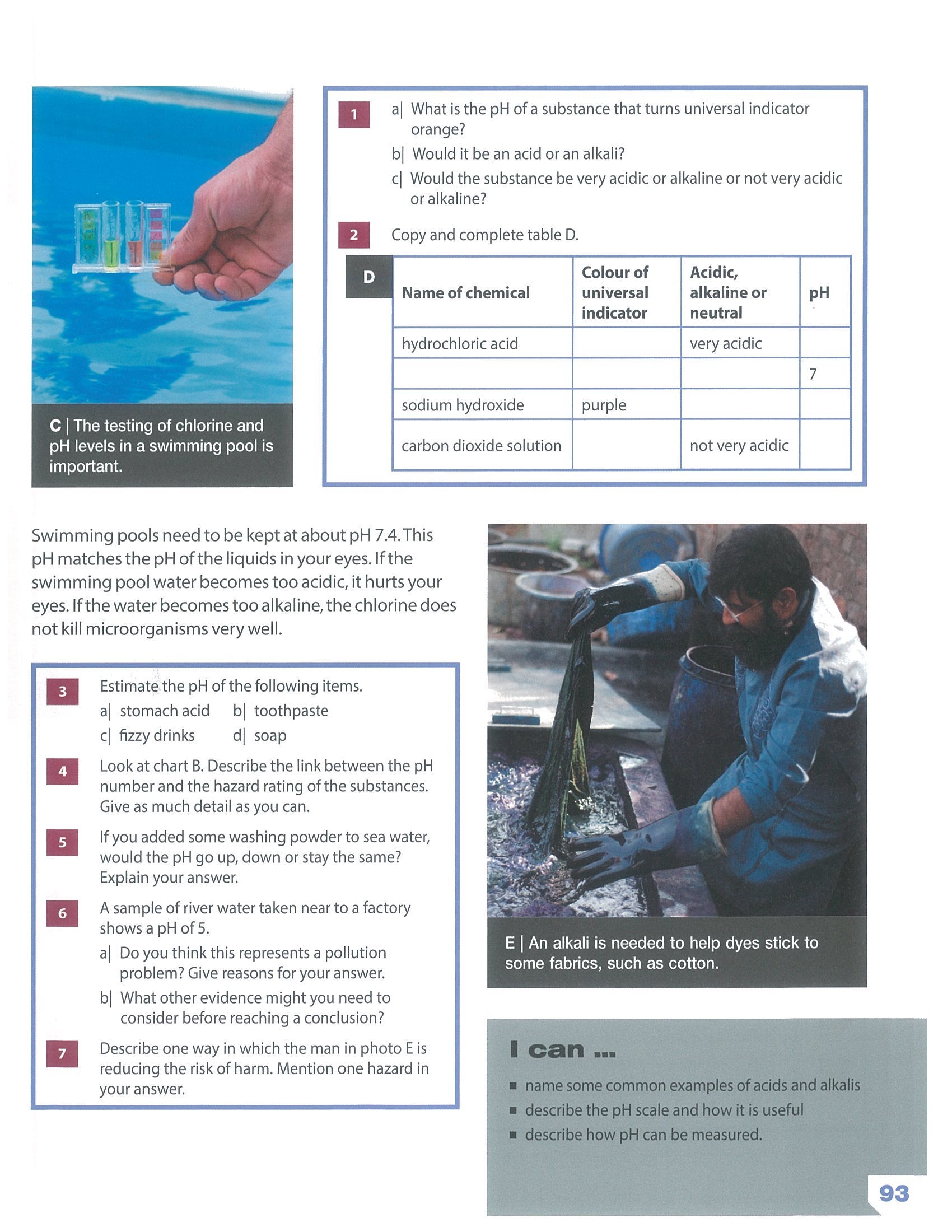
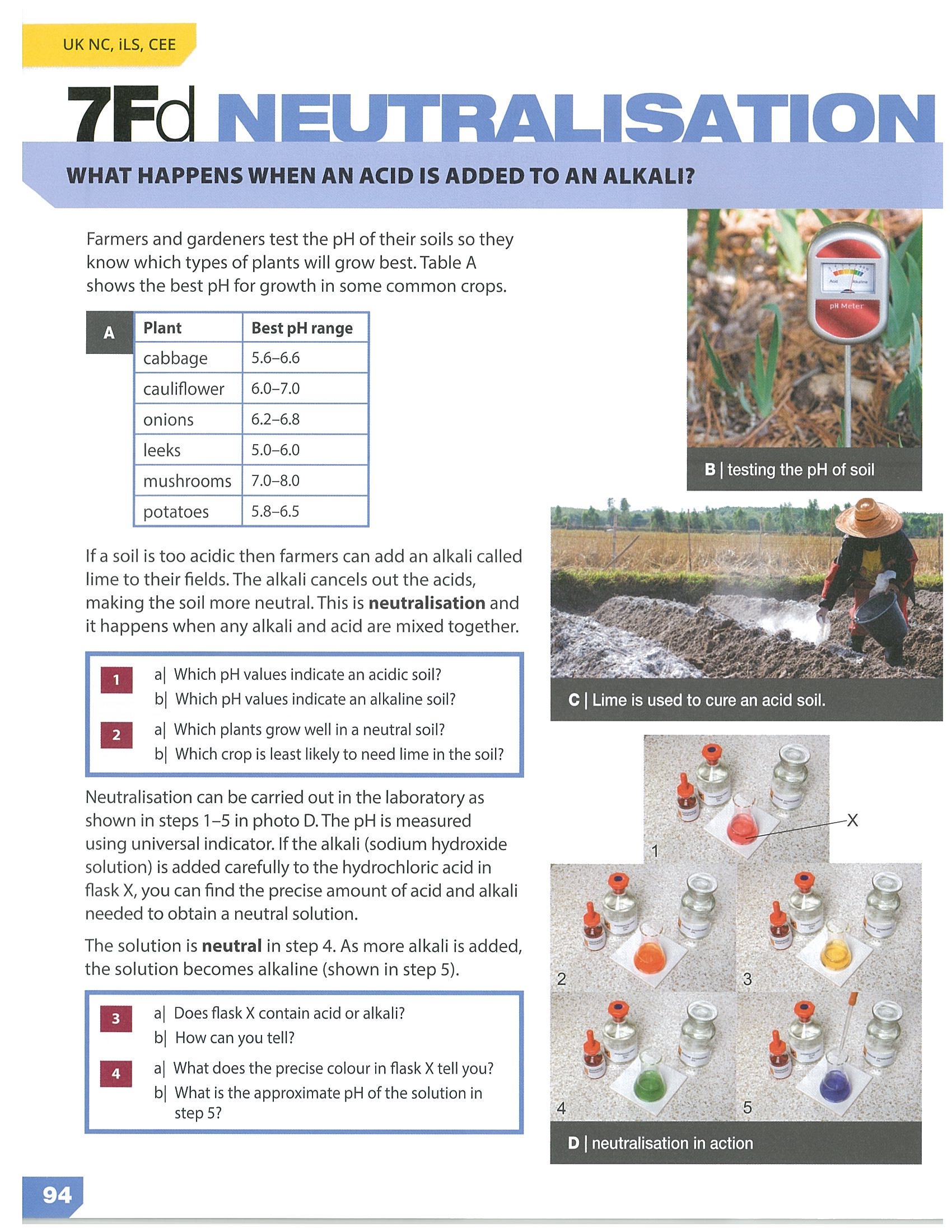
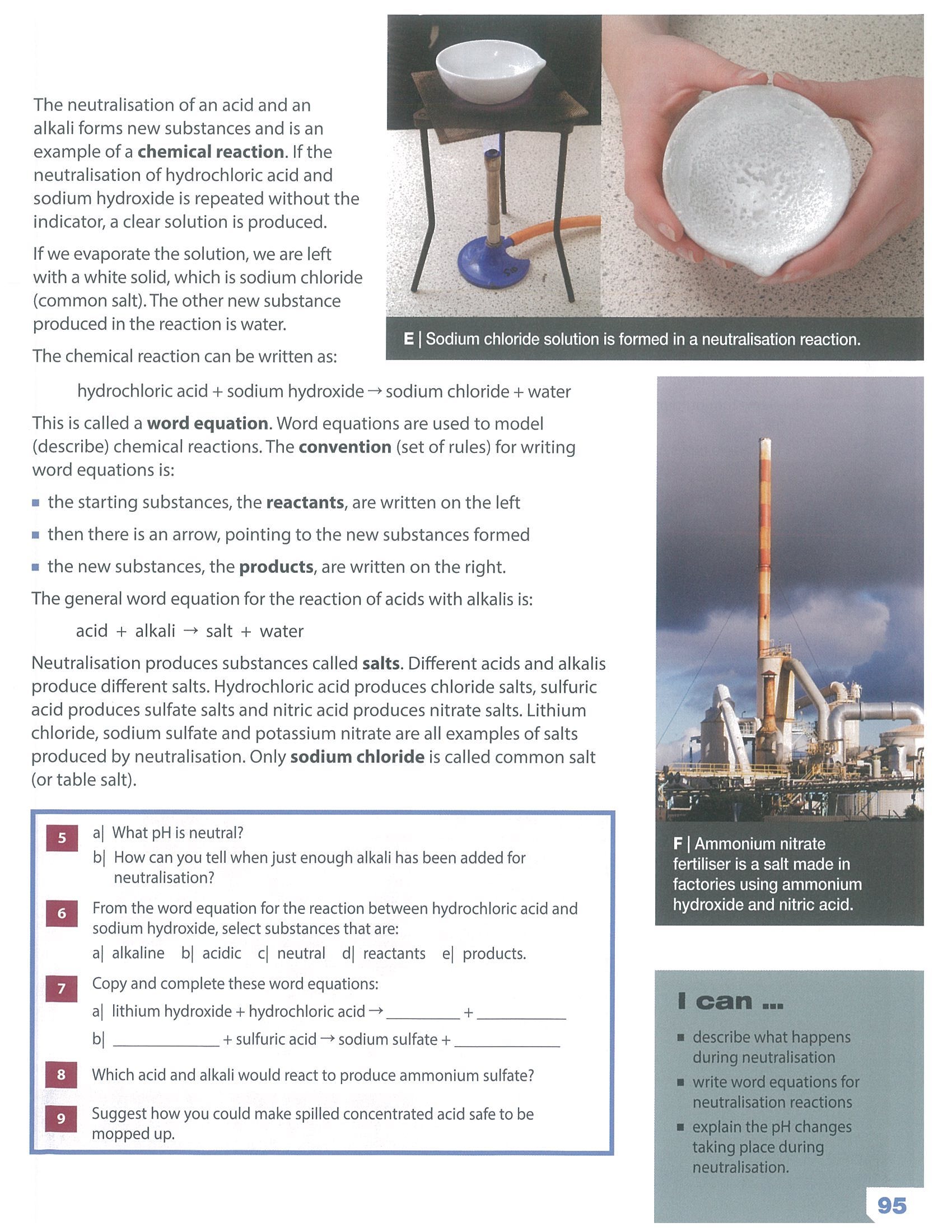
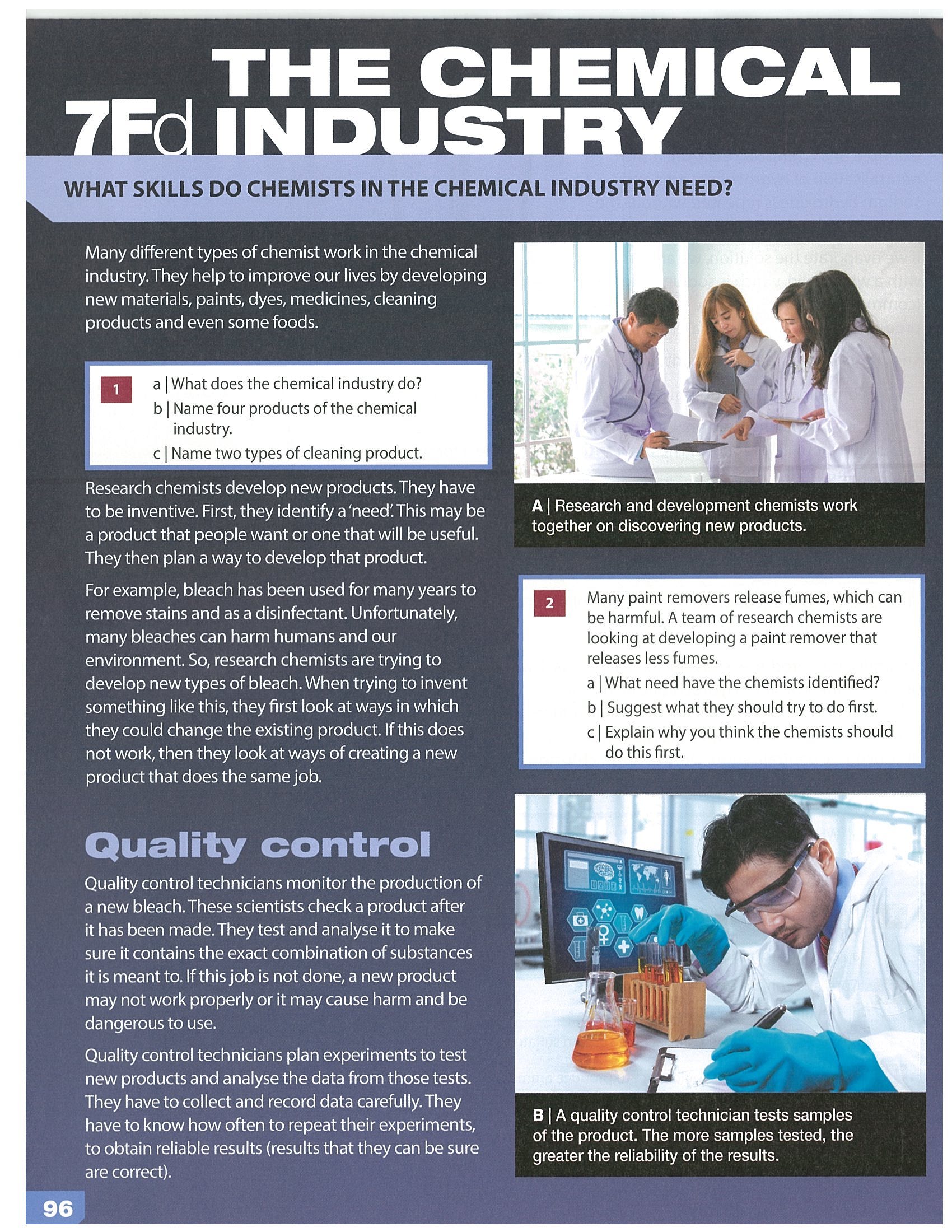
💡 玩法:先点一个英文标签(变金色高亮),再点 pH 量表上对应位置。点已放好的部位会取回标签。本图考察 pH 量表 + 常见物质 pH 估测——SUIS Chemistry 必考。
把这些标签点到正确位置:
stomach acid
vinegar
pure water
toothpaste
bleach
oven cleaner
distilled water
sodium chloride
💡 注意:bank 里有 8 个标签,但图上只有 6 个空——多出来的是干扰项("distilled water" 也是中性 pH 7、和 pure water 重复;"sodium chloride" 是固体盐,pH 概念不直接适用)。考试也会这样故意放干扰项。
💡 看清楚题干用的指令词,答题方式完全不同。化学题尤其爱考 Explain(要 because)和 Suggest(要敢猜)。
| 指令词 | 要求 | 错误示范 | 正确示范 |
|---|---|---|---|
| State | 用一个完整句子说清事实 | "7"(光这一个数字不行) | "The pH of pure water is 7." |
| Name | 给一个单词或短语即可 | "the indicator"(少了具体名字) | "universal indicator" 或 "litmus" |
| List | 给几个项目(数字明示) | 只写 1 个但题目问 3 个 | 分行编号 i, ii, iii 写出确切数目 |
| Describe | 说出"是什么样",需要细节 | "It changes colour."(太短) | "Universal indicator turns red in a strong acid, green in a neutral solution and purple in a strong alkali." |
| Explain | 必须说"为什么",要有 because | "Vinegar helps a wasp sting." 没说为什么 | "Vinegar helps a wasp sting because a wasp sting is alkaline, and the weak acid in vinegar neutralises it." |
| Suggest | 给合理猜测(题目没标准答案) | 留白不写 | "The farmer could add lime to the field, because lime is an alkali and would neutralise the acidic soil." 大胆给合逻辑的回答 |
| Compare | 同时说相同点和不同点 | 只说不同点 | "Both bee venom and wasp venom cause pain when injected, however bee venom is acidic whereas wasp venom is alkaline, so they need different treatments." |
| Tick / Choose | 勾选一个或多个框 | 选了 2 个但题目说 one box | 仔细看 "Tick (✓) one box" |
📌 本章特别提示:"State the pH of…"——给一个 0–14 的数字 + 标明酸/碱/中性。"Write a word equation for…"——必须写成 acid + alkali → salt + water 格式,盐的种类对应酸(HCl→chloride / H₂SO₄→sulfate / HNO₃→nitrate)。"Identify the hazard"——指危险源(化学品本身),"identify a risk"——指可能造成的伤害(如腐蚀皮肤)。两个概念易混。
📝 分级练习 · 由易到难闯关
❌ 错题本 · 自动收集你标错的题
还没有错题。做题时点击"做错了"会自动收集到这里。
✅ 考前自检清单 · 全勾上才能进考场
已掌握 0 / 0